What Causes Dental Cracks?
Posted on 8/3/2026 by Riverwind Dental |
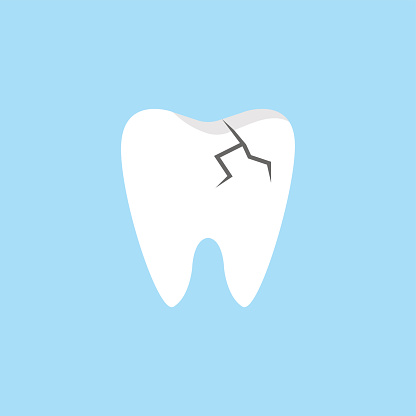 Have you ever felt a sharp pain when biting down on something hard, or noticed a strange sensitivity to temperature in a particular tooth? It could be a dental crack. Understanding what causes these cracks is the first step in protecting your smile and knowing when to seek professional help. Have you ever felt a sharp pain when biting down on something hard, or noticed a strange sensitivity to temperature in a particular tooth? It could be a dental crack. Understanding what causes these cracks is the first step in protecting your smile and knowing when to seek professional help.
The Usual Suspects: Habits and Hardships
Our teeth are incredibly strong, but they aren't indestructible. Everyday habits and unavoidable events can put significant stress on them, leading to the formation of dental cracks.
One major culprit is teeth grinding, also known as bruxism. Many people grind their teeth unconsciously, especially during sleep. This constant pressure wears down the enamel and creates tiny fractures that can eventually deepen into cracks. Similarly, clenching your jaw, whether from stress or habit, exerts immense force on your teeth, increasing the risk of cracks.
Chewing on hard objects is another common cause. Think about crunching on ice, biting your fingernails, or using your teeth to open packages. These actions may seem harmless, but they can subject individual teeth to sudden and intense pressure, leading to small, often unnoticeable, cracks. Over time, these cracks can worsen.
Trauma, such as a blow to the face during sports or an accidental fall, can also cause dental cracks. The impact can fracture a tooth immediately, or create microscopic damage that weakens the tooth over time.
Temperature Troubles and Tooth Structure
Believe it or not, even temperature changes can contribute to dental cracks. Repeatedly exposing your teeth to extreme temperature swings, like drinking a very hot beverage followed immediately by an ice-cold one, can cause the enamel to expand and contract. This constant expansion and contraction can weaken the tooth structure and make it more susceptible to cracking.
The structure of your teeth themselves can also play a role. Teeth with large fillings may be weaker than teeth with minimal or no fillings. This is because the filling material doesn't always bond perfectly to the tooth structure, creating a potential weak point. Additionally, teeth that have undergone root canal therapy can become more brittle and prone to cracking because they no longer receive nutrients from the pulp.
Taking Control: Prevention and Protection
While some causes of dental cracks are unavoidable, there are many things you can do to protect your teeth and minimize your risk.
Practicing good oral care is paramount. Brushing twice a day with fluoride toothpaste and flossing daily removes plaque and strengthens enamel, making your teeth more resistant to damage. Regular dental check-ups allow your dentist to identify potential problems early on, before they become serious.
If you know you grind or clench your teeth, talk to your dentist about a custom-fitted mouthguard. Wearing a mouthguard at night can significantly reduce the pressure on your teeth and prevent further damage. Avoiding chewing on hard objects is another simple yet effective way to protect your teeth.
What Happens if a Tooth Cracks?
If you suspect you have a cracked tooth, it's important to seek professional help promptly. Depending on the severity and location of the crack, various restoration dentistry treatments are available to stabilize the tooth, alleviate pain, and prevent further damage. Ignoring a cracked tooth can lead to more serious problems, such as infection or even tooth loss.
|
|