Teeth Grinding Treatment Richmond, VA
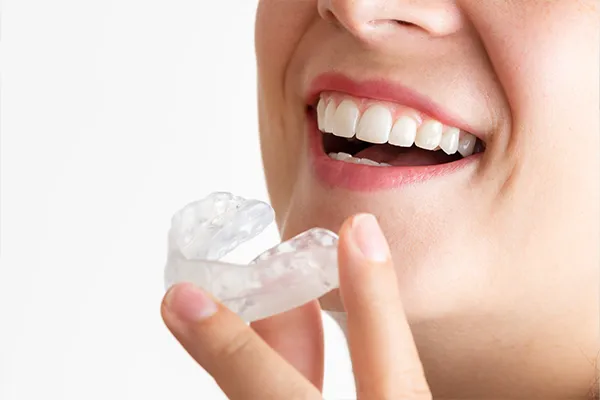 Teeth grinding and clenching, also known as bruxism, is a common condition that can quietly damage your teeth and strain your jaw over time. Teeth grinding and clenching, also known as bruxism, is a common condition that can quietly damage your teeth and strain your jaw over time.
Many people in Richmond experience symptoms like morning jaw soreness, headaches, worn teeth, or TMJ discomfort without realizing grinding is the cause.
Teeth grinding treatment focuses on protecting your teeth, relieving muscle tension, and addressing the factors contributing to bruxism to help prevent long-term dental and joint problems.
Teeth Grinding Treatment in Richmond: How Dentists Can Help
Bruxism includes both nighttime grinding during sleep and daytime clenching that often occurs during periods of stress or concentration. While occasional clenching may seem harmless, chronic grinding can lead to permanent tooth damage and ongoing jaw pain if left untreated.
Professional bruxism treatment in Richmond matters because dentists can identify early signs of damage and create a plan to reduce symptoms and protect your smile. During an evaluation, dentists look for worn enamel, flattened chewing surfaces, cracks, gum recession, and tenderness in the jaw muscles or joints.
Treatment is not one-size-fits-all. Dental care for grinding focuses on protecting teeth from further wear, relieving jaw and muscle discomfort, and identifying contributing factors such as bite issues or stress-related habits.
What Is Teeth Grinding (Bruxism)?
Teeth grinding, or bruxism, is the involuntary clenching or grinding of teeth that goes beyond normal chewing forces. It can occur while awake or during sleep, often without the person being aware it is happening.
Sleep bruxism typically happens during lighter stages of sleep and can generate forces far stronger than normal biting. Awake bruxism usually involves sustained clenching rather than grinding and is commonly linked to stress or concentration.
Many patients are unaware they grind their teeth until a dentist notices signs of wear or a bed partner reports hearing grinding noises at night. Common symptoms include morning headaches, jaw stiffness, facial muscle fatigue, and discomfort around the ears or temples.
Causes of Teeth Grinding and Clenching
Teeth grinding often develops from a combination of physical, emotional, and lifestyle factors rather than a single cause.
| • |
Stress and Anxiety: Emotional stress can trigger excessive jaw muscle activity, especially during sleep or focused tasks.
|
| • |
Bite Misalignment: Uneven tooth contact may cause the jaw to shift or clench while searching for a comfortable position.
|
| • |
Sleep and Airway Issues: Certain sleep disorders or breathing disturbances are linked to nighttime grinding episodes.
|
| • |
Lifestyle Factors: Caffeine, alcohol, tobacco, and some medications may increase muscle activity and grinding intensity. |
Understanding the underlying causes helps guide teeth clenching treatment, even when grinding happens unconsciously.
 Signs and Risks of Untreated Teeth Grinding
Leaving bruxism untreated can lead to progressive dental and jaw problems that become more complex to manage over time.
| • |
Enamel Wear: Thinning enamel increases tooth sensitivity and vulnerability to decay.
|
| • |
Cracked or Fractured Teeth: Repeated grinding forces can weaken teeth and cause structural damage.
|
| • |
Damage to Dental Restorations: Crowns, fillings, and veneers may chip or fail prematurely.
|
| • |
Jaw Joint and Muscle Strain: Ongoing tension can contribute to TMJ symptoms, facial pain, and tension headaches. |
Over time, grinding may also contribute to gum recession and subtle changes in your bite alignment.
Custom Night Guards for Teeth Grinding
A custom night guard is one of the most effective and commonly recommended treatments for bruxism. These oral appliances are designed to be worn during sleep to protect teeth and reduce strain on the jaw muscles.
Dentist-made night guards differ significantly from over-the-counter options. A professionally fitted guard is custom-shaped using dental impressions or digital scans to ensure comfort, proper fit, and even distribution of bite forces.
Custom guards help minimize tooth wear, reduce muscle overactivity, and are easier to wear consistently. Proper cleaning and routine replacement help maintain effectiveness and hygiene over time.
Additional Treatment Options for Teeth Grinding
In some cases, night guards are combined with additional approaches to manage grinding more effectively.
| • |
Bite Adjustment: Minor reshaping of tooth surfaces may reduce uneven contact points that trigger clenching.
|
| • |
Stress Awareness and Habit Training: Techniques to recognize and relax daytime clenching can reduce muscle tension.
|
| • |
Sleep or Airway Referrals: Evaluation may be recommended when grinding is linked to sleep-related conditions. |
Treatment plans are tailored based on symptoms, bite function, and contributing factors identified during evaluation.
Teeth Grinding, TMJ Disorders, and Jaw Pain
Teeth grinding places excessive stress on the jaw joints and surrounding muscles, which can contribute to TMJ-related symptoms. While not all jaw pain is caused by TMJ disorders, bruxism is a common contributing factor.
Patients may experience jaw clicking or popping, facial soreness, limited jaw opening, or pain that radiates toward the ears or temples. Persistent jaw discomfort is a sign that a dental evaluation may be necessary to prevent worsening joint strain.
Teeth Grinding in Children and Teens
Teeth grinding can also affect children and teenagers, often presenting differently than in adults. In many cases, pediatric grinding is temporary and related to growth, teething, stress, or airway development.
Monitoring is sometimes appropriate, but evaluation is recommended when grinding leads to noticeable tooth wear, jaw pain, headaches, or disrupted sleep. Treatment for younger patients focuses on gentle, conservative approaches and ongoing observation as development continues.
Why Choose Our Richmond Dentists for Teeth Grinding Treatment?
Choosing our local dentists for teeth grinding treatment in Richmond ensures care that is personalized to your symptoms, bite, and lifestyle. Experienced dentists are trained to recognize early signs of bruxism-related damage and recommend appropriate protective solutions.
Care often includes modern diagnostic tools, custom appliances, and long-term strategies to protect natural teeth and existing dental restorations. Managing grinding early can help preserve your smile and reduce chronic discomfort.
FAQs
How Do I Know if I Grind My Teeth at Night?
Many people discover nighttime grinding through symptoms like morning jaw soreness, headaches, or worn teeth noted during a dental exam. Bed partners may also hear grinding noises during sleep.
Does a Night Guard Stop Grinding or Just Protect Teeth?
A night guard primarily protects teeth and reduces muscle strain. While it may not completely stop grinding, it significantly limits damage and discomfort.
How Long Does a Custom Night Guard Last?
With proper care, a custom night guard can last several years. Heavy grinders may need replacement sooner due to normal wear.
Can Teeth Grinding Be Cured?
Bruxism is often managed rather than cured. Treatment focuses on protection, symptom relief, and addressing contributing factors.
Will Dental Insurance Cover Teeth Grinding Treatment?
Insurance coverage varies by plan. Patients are encouraged to call the office to learn more about coverage and available options.
Schedule a Teeth Grinding Evaluation in Richmond, VA
If you are experiencing jaw pain, headaches, or signs of worn or cracked teeth, early evaluation can help prevent more serious damage. An assessment allows dentists to determine whether grinding is contributing to your symptoms and recommend appropriate treatment options.
When calling, mention any jaw discomfort, morning soreness, headaches, or dental wear you have noticed. Treatment recommendations are always based on an individual evaluation.
Call (804) 280-0853 to schedule a teeth grinding evaluation and discuss options for protecting your teeth and relieving jaw pain at Riverwind Dental. |